
SIEM System
SIEM System. The full name is Security Information and Event Management. It is a cyber system that collects and consolidates information from the organization’s existing systems.
The system analyzes this information based on predefined conditions to identify suspicious behavior that may indicate potential attacks or any type of anomaly.
דף הבית » SIEM
About the Service
Many organizations use the cloud for virtualization environments, data storage, networking, and web application services.
Adding security layers to protect organizational information is an important step toward making cyberspace safer. However, without additional measures to monitor the information received from security systems, it is difficult to identify anomalies. The SIEM service is exactly the solution for this need, enabling quick detection of various events.
Managed SIEM service is a combination of technology and human expertise.
The service helps organizations detect and mitigate damage that may result from information security incidents by continuously monitoring and analyzing the organization’s system activity. The service operates a SOC (Security Operations Center) of analysts who monitor the systems and provide customers with information and alerts on an ongoing basis.
The SIEM service acts as a complementary interface to existing organizational security policies and tools by helping to identify, prevent, analyze, and respond to security incidents. Through continuous data collection and analysis, the service monitors various network components and can provide real-time alerts on cyber events.
The Managed SIEM service is designed to provide a solution by making the vast amount of received information accessible and available.
The service provides:
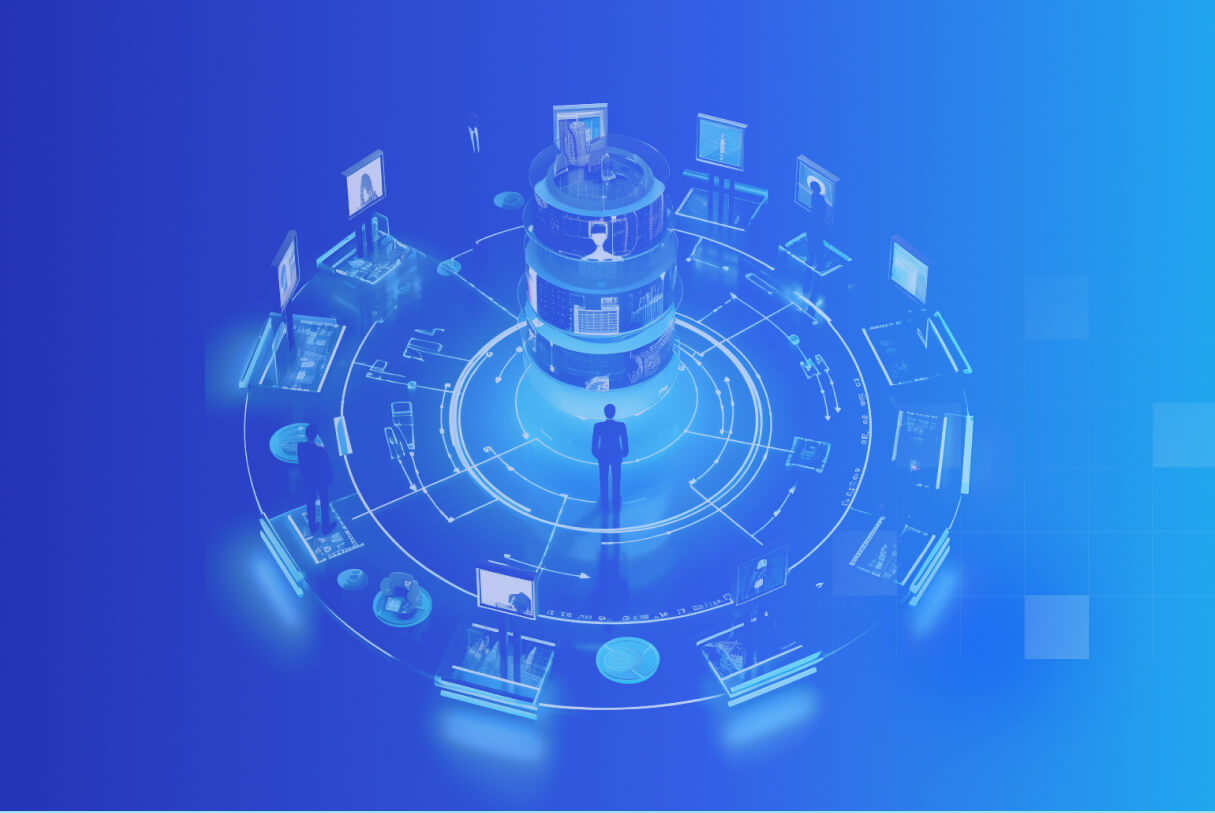
The service comes with three different types of models.
Triple C – all the capabilities of an international cloud provider with all the added values of a local provider.

Monitoring of critical file integrity.
Viewing alerts with advanced filtering capabilities.

Displaying vulnerabilities by device type.
Alert behavior based on attack type.
Monitoring to detect irregular anomalies based on predefined characteristics.
Information security resilience assessment.
Tracking of a critical topic (customizable).